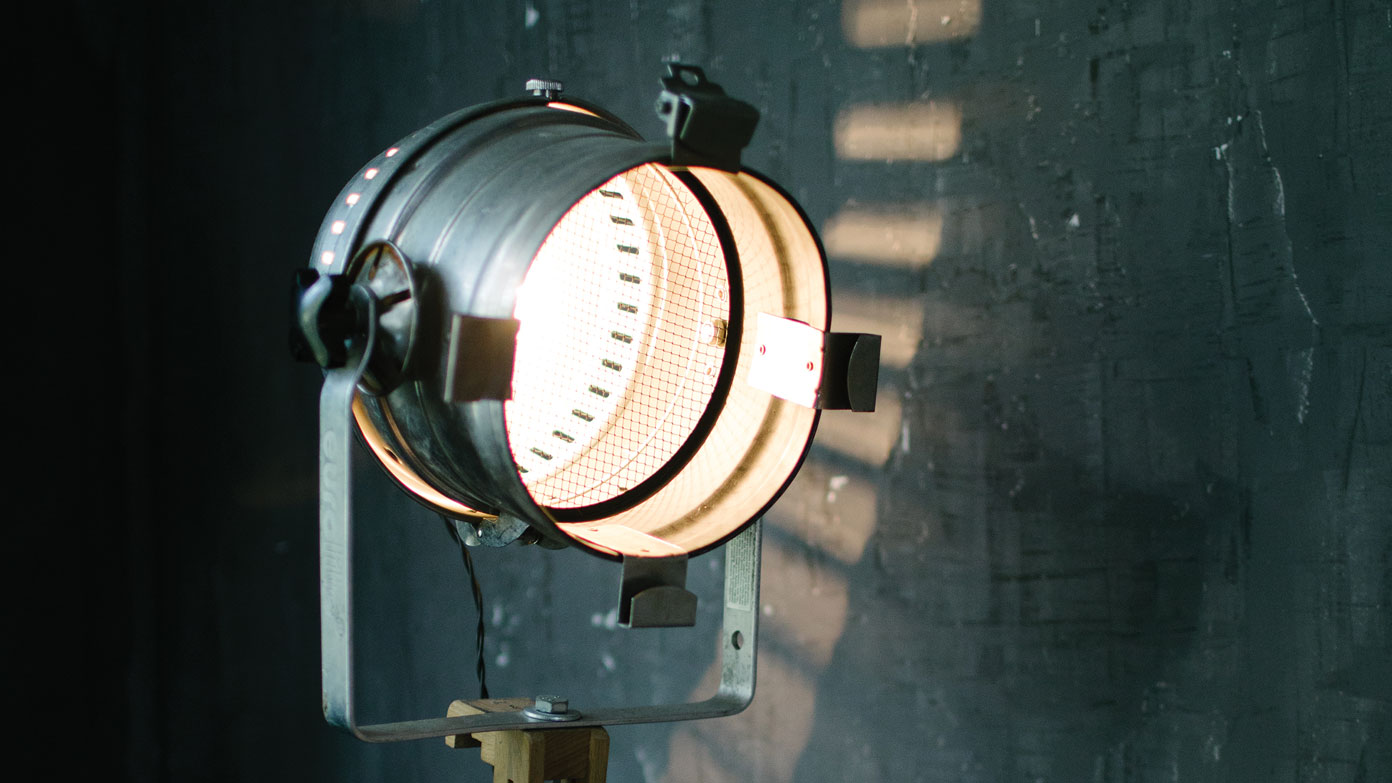
New creators often assume that expensive gear is needed to create good lighting. However, the true path to good lighting is understanding the fundamentals of how light works from various sources like natural light or even a desk lamp. A good starting point is picking up to three colors you’ll use consistently across the background and lighting. It doesn’t need to be complicated either. Even just picking one warm light and one cool light can create a visually interesting set without special gear.
Impressive results can still be produced using only what’s already in your environment. For example, a single window can be the primary light source if you position yourself in front of it. Another example is a lamp that produces warm light. This can be directed towards the wall to add depth to simple backgrounds. The essential skill to remember is creating good contrast with light and dark ideas can create an engaging lighting scenario that isn’t too flat or boring. Not remembering that simple principle is something that is often missed by beginners.
Lastly, don’t wait to purchase expensive equipment before you start experimenting with new lighting scenarios. Many people just starting out end up with appealing sets using various light sources readily available like random lamps or indoor lights. The true skill is recognizing good lighting and making intentional adjustments. Equipment can always be upgraded later, but the skill of seeing and manipulating light is something gained through experience.
-
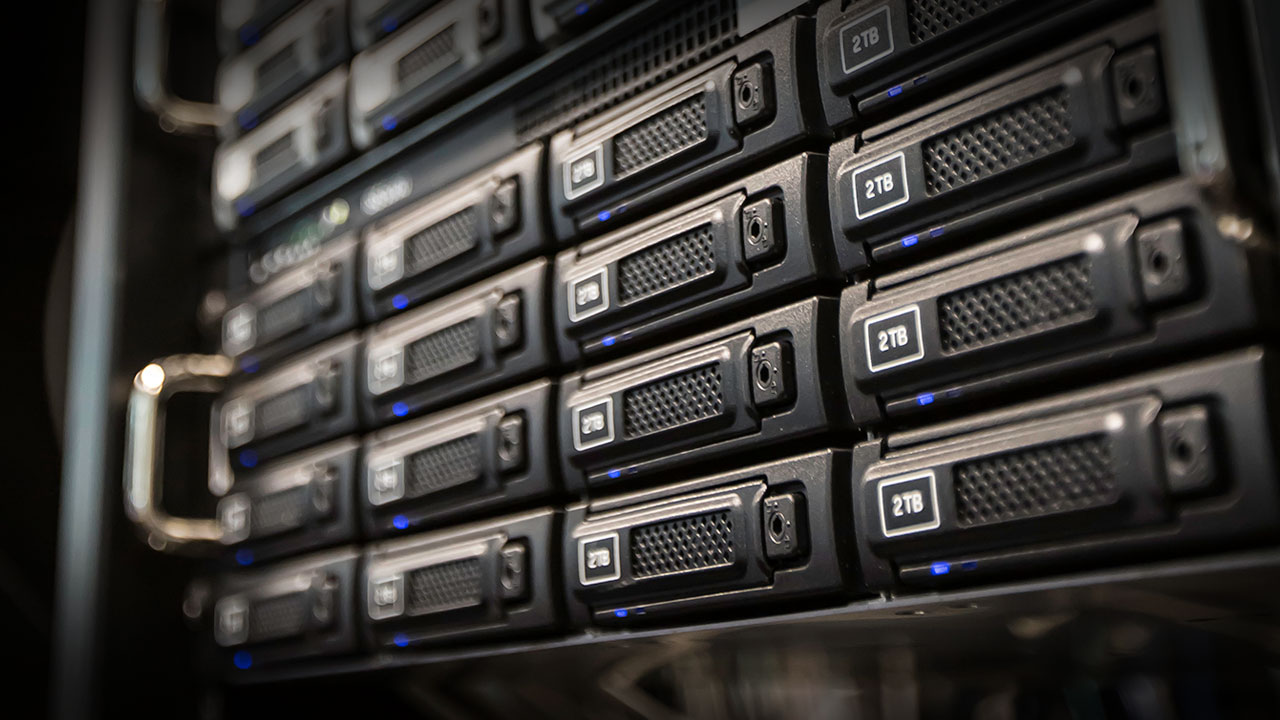
Proper Storage Planning
Backup raw footage to an external hard drive or secondary location after each shoot to prevent data loss. Establish storage habits early to avoid preventable errors.
-
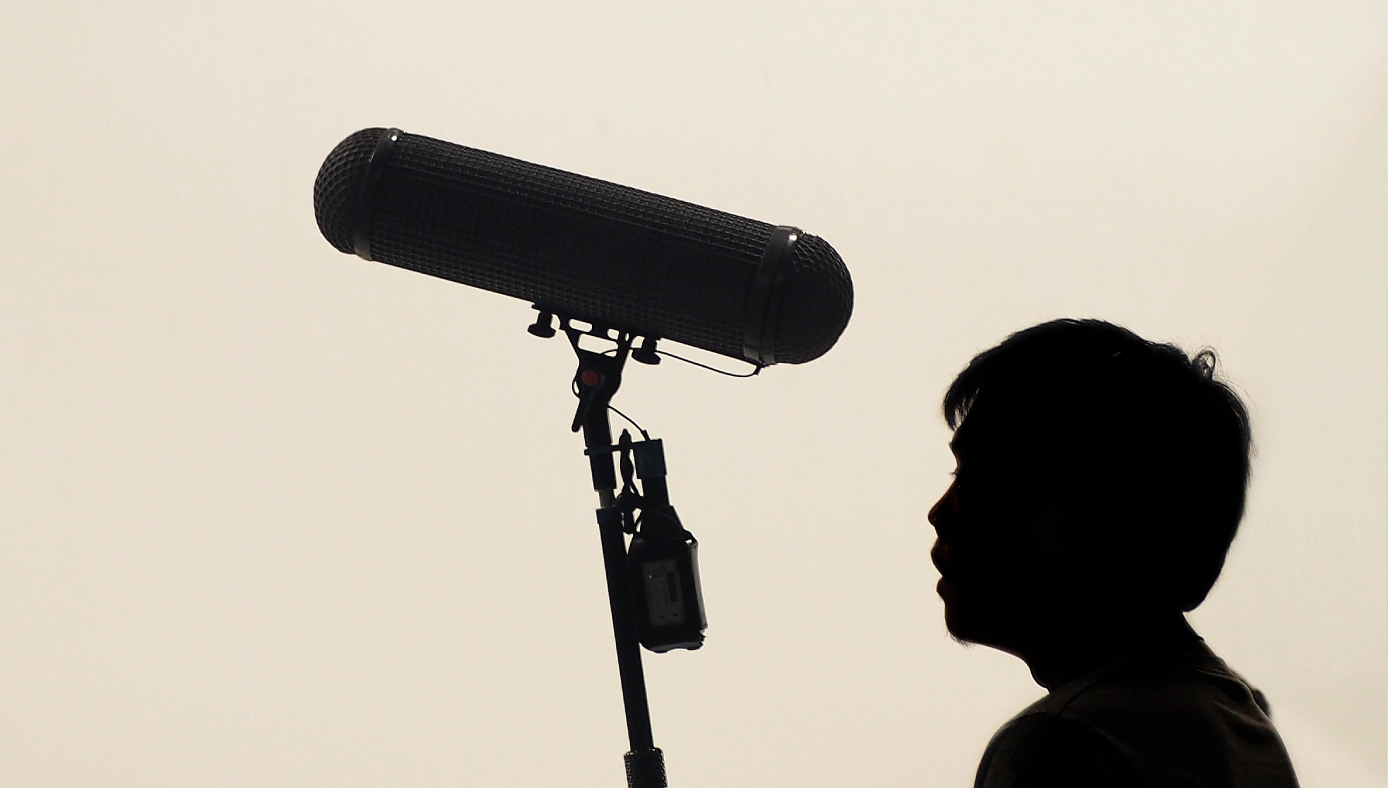
Good Audio Beats Expensive Gear
For beginners, understanding microphone types and placement is crucial for good audio quality. Cardioid mics are ideal for solo dialogue, and placing the mic close to the mouth reduces background noise and enhances voice warmth.

No responses yet