One of the most common audio mistakes isn’t buying the wrong microphone, but not understanding how to effectively use it. Most beginners often are in two categories: cardioid (capturing audio directly in front and ignoring what’s behind) or omnidirectional (evenly capturing audio all around). For solo dialogue, cardioid microphones usually sound cleaner since they cancel out noise of the surrounding room.
Proper placement of the microphone is also a crucial skill to get down. The closer a mic is to your mouth, the less background noise it will capture and less volume boost will be needed in post. Cardioid mics also add natural bass and warmth to your voice, which is why many podcast voices sound so clear and full. Keep in mind, however, to not get to close to the mic since it will capture your breathing.
Another common mistake is recording voice lines in stereo. Many assume recording with more channels means better quality, but for single voices stereo can sound strange and unfocused. Mono is the best option for spoken dialogue in most cases. If you get the proper mic type, distance, and settings right from the recording stage, you’ll spent much less time trying to resolve audio issues in post. Attempting to fix issues in post will always be harder than getting it right from the very start.
These are the basic fundamentals of audio setup, but it can get a lot more complicated when it comes to various hardware and software options. This is all we cover for beginners in order to not overwhelm those just starting out, but if you’d like to learn a bit more about the audio process Spencer Fackrell has a great video that provides more context to what’s been provided in this guide and he even shares some new details. You can find his video here: What I Wish I Knew as a Beginner Filmmaker | Basics of Audio for Video
-

Proper Storage Planning
Backup raw footage to an external hard drive or secondary location after each shoot to prevent data loss. Establish storage habits early to avoid preventable errors.
-
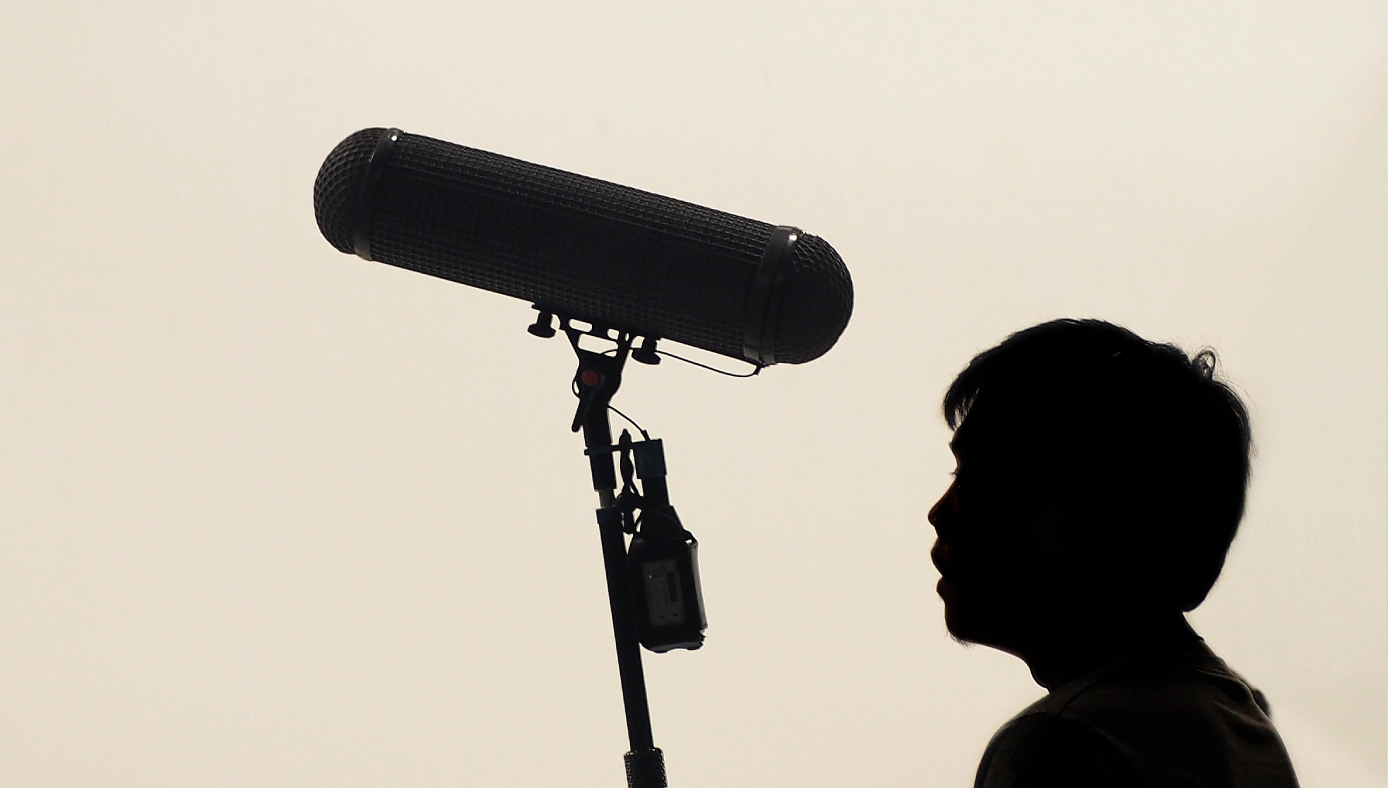
Good Audio Beats Expensive Gear
For beginners, understanding microphone types and placement is crucial for good audio quality. Cardioid mics are ideal for solo dialogue, and placing the mic close to the mouth reduces background noise and enhances voice warmth.

No responses yet