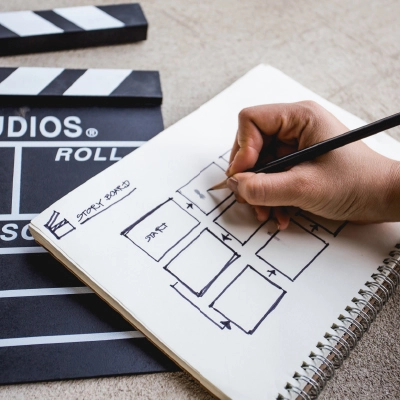
It’s temping to start filming right after having an idea, but videos that truly engage with an audience often begin with something simple: a clear purpose. Before pickup up the camera think about what you want viewers to learn or understand by the end of it. That purpose should be the guiding principle throughout the process. If specific scenes or cuts of the video don’t align with the purpose, you should consider removing it even if the footage looks great.
Research is also a crucial component that is often missed by beginners. If you were filming a product review, it means rigorous testing of the product and not just a quick rundown of specs. If you’re creating an engaging story, it often requires extensive reading and conversations with friends or industry experts to understand the full context. The idea is to not to memorize a script but to fully understand the topic and feel like you’re a professional who can give a unique stance on the subject.
Don’t hesitate to go even deeper when it feels necessary to create the perfect video. If you’re interviewing an expert about your video topic, a single interview session isn’t always enough. Sometimes the most interesting details found after pondering the information and following up to get more context or have a few more questions answered. The entire idea when starting out is to remember you don’t need a lot of expensive gear to be successful. Often times just having a focused and concise purpose is all you need to truly engage with the viewer.
-
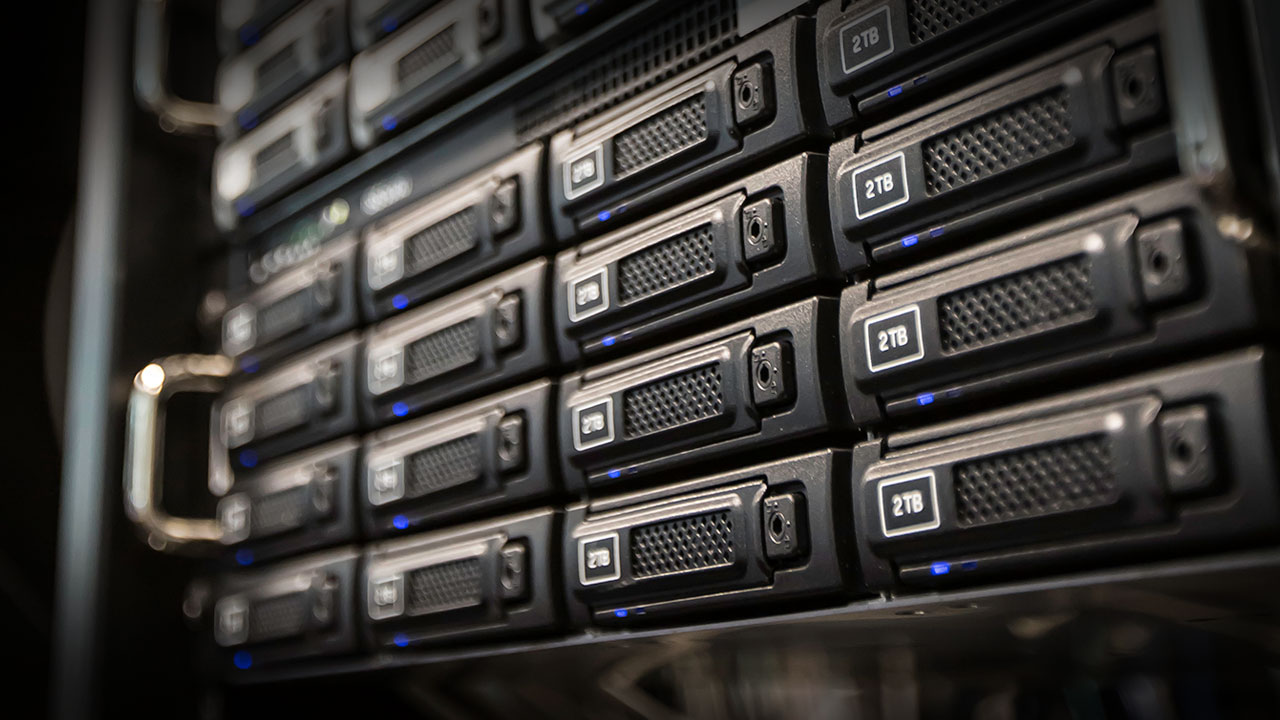
Proper Storage Planning
Backup raw footage to an external hard drive or secondary location after each shoot to prevent data loss. Establish storage habits early to avoid preventable errors.
-
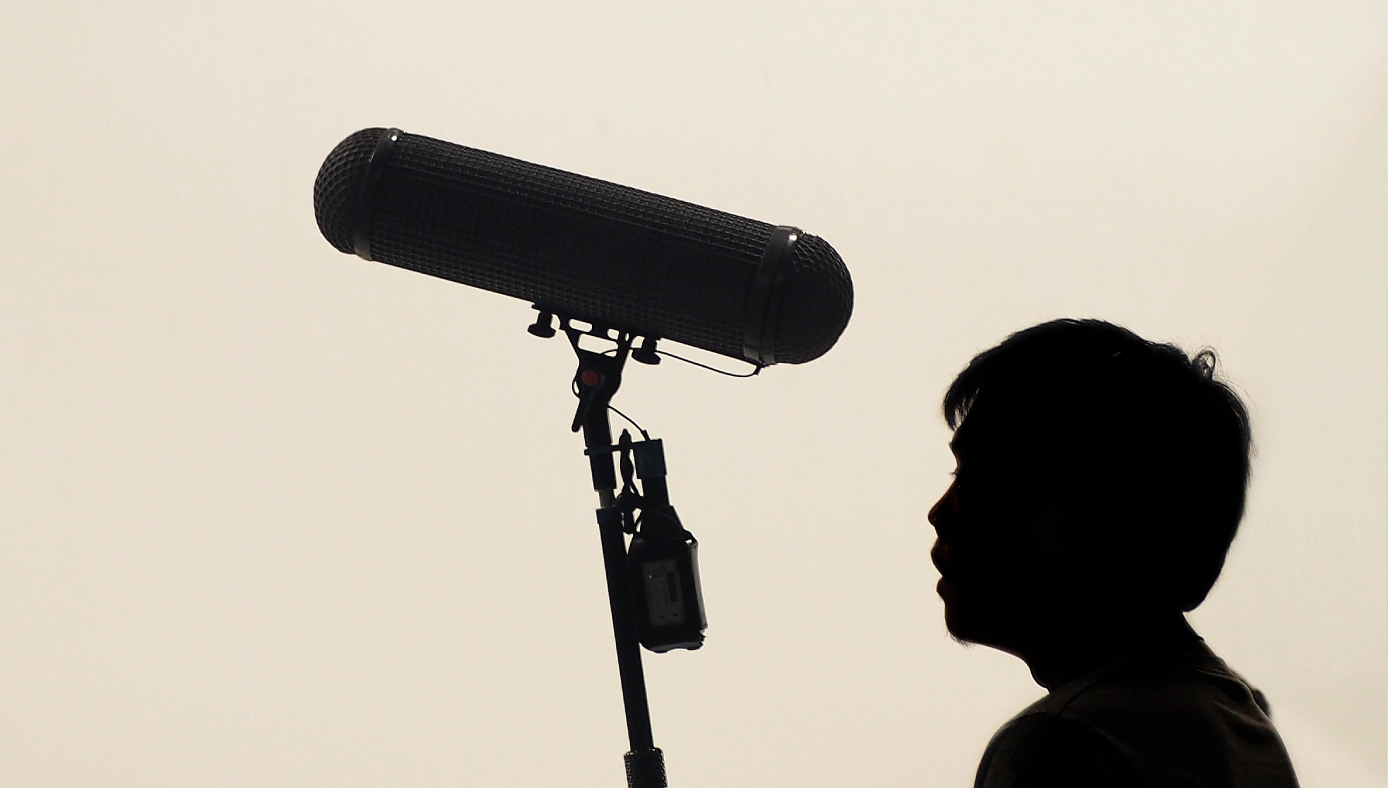
Good Audio Beats Expensive Gear
For beginners, understanding microphone types and placement is crucial for good audio quality. Cardioid mics are ideal for solo dialogue, and placing the mic close to the mouth reduces background noise and enhances voice warmth.

No responses yet